
Mahjong Ways – Spin Your Way to Fortune with WIN786
Mahjong Ways is a classic-inspired game that has long become an integral part of the gaming culture and spiritual life for players at WIN786. More than just simple entertainment, it carries values of tradition, strategy, and high community engagement. This article will explore this world in-depth—from its origins and gameplay to the tactics and its vital role within the Vietnamese gaming community.
The Origins and Evolution of Mahjong Ways
Exploring the roots of Mahjong Ways is essential to understanding its cultural value in Vietnam. While the game is heavily influenced by neighboring cultures, such as China’s traditional Mahjong, it has undergone a process of transformation and adaptation to perfectly suit the preferences and characteristics of Vietnamese players.

This game originates from the Chinese game of Mahjong, which was introduced to Vietnam in the 19th century through merchants, envoys, and cultural exchanges. However, over time, the game has been refined to better align with the lifestyle and customs of the Vietnamese people, evolving in its gameplay, rules, and social organization.
| Period | Main characteristics | Impact on Mahjong Ways |
| 19th century | Imported from China | The standard version, dependent on the original rules of the game. |
| 20th century | Adapting to Vietnamese culture | Commonly seen at family and community gatherings. |
| Present | Network-based development, digital applications | Expanding the target audience and making it more accessible. |
Fundamental Rules & Gameplay of Mahjong Ways
Playing Mahjong Ways does not require complex technical knowledge; however, to excel and develop an effective strategy, players must master the basic rules and general regulations. A clear understanding of the gameplay prevents confusion, ensures fairness, and significantly enhances the overall experience for all participants.

Unlike other slot games, Mahjong Ways features a distinct scoring system, a turn-based flow, and specific rules regarding tile types, combinations, scoring methods, and tactical maneuvers to secure a win. The rules have been streamlined to remain accessible while maintaining the absolute fairness and transparency required for all players.
Before starting, players should familiarize themselves with the specialized tile set, the turn-order protocols of Mahjong Ways, and how to arrange tiles effectively to suit their chosen strategy. Throughout the session, these rules maintain order and allow each player’s skills to resonate, ensuring both the integrity and the excitement of the game.
To provide a clearer perspective on the mechanics and scoring, let’s examine a specific example through the following summary table of tile types and bonus points:
| Post type | Corresponding scores | Outstanding features |
| Single article | 1 point | The piece is of low value and easy to combine. |
| Double card | 2 point | They need to be paired together to form a suitable pair. |
| Lesson three | 3 point | Difficult to graft, but more valuable. |
| Special deck of cards | 5-10 point | Special combinations, big wins |
Mastering these rules allows players to calculate and select the most appropriate tactics, thereby significantly improving their winning potential.
Core Gameplay Steps
The gameplay flow consists of the following phases: Tile distribution, arrangement sequence, scoring calls, and final point calculation. Each step reflects the true spirit of the game—a perfect balance between intellect, luck, and strategy.
Players should take note: In every round, the fair distribution of tiles is the deciding factor for success. The regulations regarding arranging, calling, and matching tiles are all designed to create an equitable and engaging playground.
Furthermore, the rules concerning scoring and victory conditions clarify the point-earning process. This helps players easily control their gaming reflexes, thereby enhancing the overall experience, suspense, and emotional excitement throughout the match.
Advanced Mahjong Ways Strategies & Skills
In games driven by intellect, skill and strategy are of paramount importance. For Mahjong Ways, mastering advanced tactics and knowing how to adapt to specific situations will help players markedly increase their chances of winning.
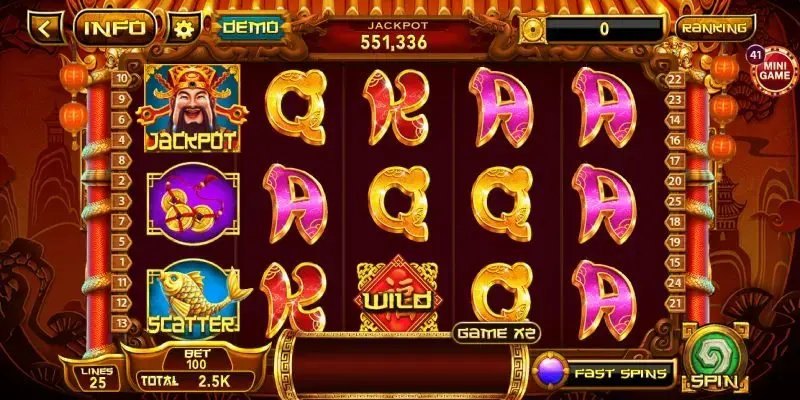
The key to success for any Mahjong player lies in the ability to observe, predict, and make swift, accurate decisions in every turn. Beyond that, essential skills include reading the board, calculating points, analyzing opportunities, and selecting the most effective tactics for each stage of the game.
Below are some of the most popular and effective strategies:
- Waiting Strategy: Wait for the opportune moment to match tiles or call points. This requires patience—never rushing, yet always remaining ready to capitalize on an opening.
- Controlling Strategy: Once an advantage is secured, the player focuses on controlling their hand, preventing opponents from guessing their moves, and maintaining a dominant lead in scoring.
- Defensive Strategy: In many scenarios, it is vital to prevent opponents from forming major combinations or achieving a quick win, thereby safeguarding your own point total.
A flexible and creative playing style, combined with the ability to read your opponents, will help players optimize their winning potential. This rich diversity of tactics and skills is precisely why Mahjong Ways has maintained its allure across generations.
In this section, I want to emphasize that strategy is not just about theory; it requires consistent practice. Through each match, players draw lessons, refine their approach, and elevate their own skill levels.
Conclusion
Mahjong Ways stands as a symbol of creativity, traditional culture, and community spirit within the lives of players at WIN786. From its historical roots in China to its current evolution, this game has become an indispensable part of social activities, festivals, and family gatherings.